

PEMF Therapy: Benefits, Uses, and What to Know
Pain, stiffness, and slow recovery can push people to look beyond heat packs, stretching, and medication. PEMF therapy is one option that often comes up in wellness clinics, physical therapy settings, and at-home recovery routines.
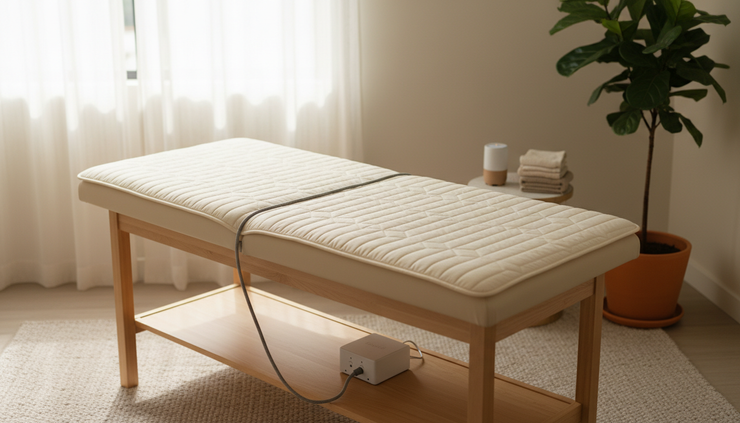
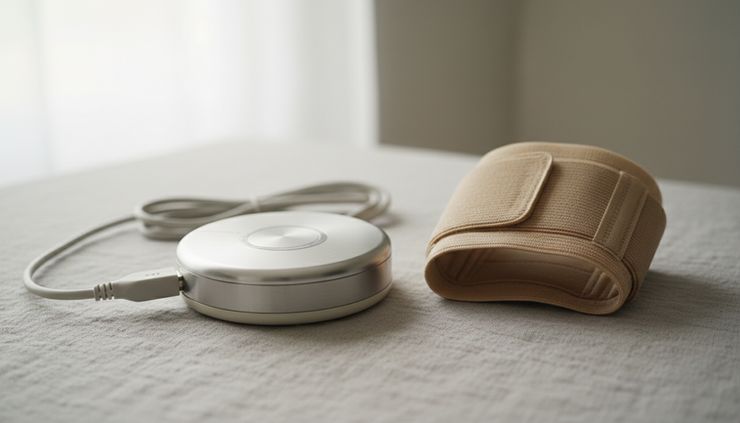
PEMF stands for pulsed electromagnetic field therapy. It uses low-level electromagnetic pulses delivered through a mat, pad, loop, or applicator. The idea is simple: expose tissue to controlled pulses that may support normal cellular activity, circulation, and repair processes.
This article is for general education only. PEMF is not a cure-all, and it should not replace medical care for pain, injury, bone problems, or chronic health conditions.
How PEMF therapy works
A PEMF device creates short bursts of electromagnetic energy. These pulses pass through clothing and reach the body without needles, heat, or manual pressure.
Many devices let the user adjust settings such as:
Frequency
Intensity
Session length
Treatment area
Pulse pattern
Those settings matter. A high-intensity medical device used under supervision is not the same as a low-intensity home mat marketed for relaxation. The purpose, power level, and safety profile can differ a lot.
At the cellular level, researchers are studying how electromagnetic fields may affect ion movement, cell signaling, blood flow, and inflammation-related pathways. That sounds complex, but the practical question is more direct: can the therapy help people feel or function better in specific situations?
For some uses, evidence is stronger. For others, it is still early or mixed.
Potential benefits of PEMF therapy
PEMF is most often discussed for pain, injury recovery, and musculoskeletal health. The best way to think about it is as a supportive therapy, not a stand-alone fix.
It may help with certain types of pain
Some people use PEMF for back pain, joint discomfort, arthritis-related stiffness, or muscle soreness. Research suggests that certain PEMF protocols may help reduce pain and improve function for some musculoskeletal conditions.
Results are not guaranteed. Pain has many causes, including inflammation, nerve irritation, joint wear, posture, stress, and injury. PEMF may help one person and do little for another.
It is also not a substitute for diagnosis. New, severe, spreading, or unexplained pain needs proper medical evaluation.
It may support bone healing in specific cases
One of the more established medical uses of electromagnetic field therapy relates to bone healing. Some regulated devices have been used for difficult fractures, such as bones that are slow to heal or fail to unite.
This use should happen under the care of a qualified clinician. Bone healing needs imaging, follow-up, and a clear plan. A consumer wellness device should not be treated as equal to a prescribed medical bone stimulator.
It may reduce stiffness and support mobility
Some users report less stiffness after regular sessions, especially when PEMF is paired with movement, stretching, or physical therapy. This may relate to changes in comfort, circulation, or muscle tension.
The key word is paired. Passive therapies usually work best when they support an active plan. For joint stiffness, that plan may include strength work, mobility exercises, weight management, better sleep, or changes in daily movement patterns.
It may support recovery routines
Athletes and active adults sometimes use PEMF after hard training. The goal is often to ease soreness, relax muscles, and improve readiness for the next session.
This does not mean PEMF can erase poor recovery habits. Sleep, protein intake, hydration, training load, and rest days still do most of the heavy lifting. PEMF may be one tool in a broader routine.
Common uses for PEMF therapy
PEMF devices appear in several settings, from medical clinics to home wellness spaces. The right use depends on the device and the condition.
Common areas of use include:
Chronic joint or muscle discomfort
Sports recovery and soreness
Stiffness linked to aging or inactivity
Certain bone-healing cases under medical care
General relaxation and wellness routines
Support during physical therapy or rehabilitation
Some people also see PEMF mentioned for sleep, mood, inflammation, circulation, or nerve-related symptoms. These areas need careful wording. Some users report benefits, and early research exists in certain areas, but broad claims are not appropriate.
PEMF is also different from TMS, or transcranial magnetic stimulation. TMS uses magnetic pulses for brain-based treatment, often in a clinical mental health setting. PEMF wellness devices are not the same thing.
Who should be cautious or avoid PEMF
PEMF is noninvasive, but that does not mean it is right for everyone. People with implanted electronic devices should be especially cautious.
Talk with a healthcare professional before using PEMF if any of the following apply:
Pacemaker or implanted defibrillator
Implanted pump or electronic medical device
Pregnancy
Active cancer or recent cancer treatment
Seizure disorder
Serious heart condition
Blood clotting disorder
Recent surgery
Unexplained pain, swelling, numbness, or weakness
Metal implants, such as joint replacements or plates, are not always a problem, but they still deserve a medical check. The safest answer depends on the implant, the device strength, and the treatment area.
What a typical session feels like
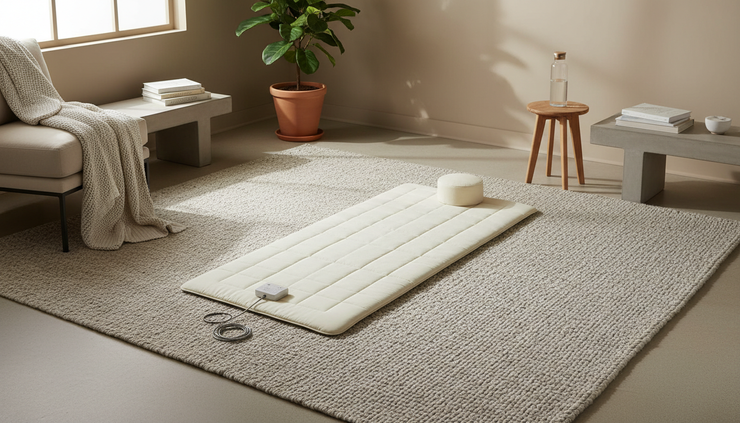
A session may last anywhere from a few minutes to much longer, depending on the device and purpose. Some people lie on a full-body mat. Others place a pad or loop over a specific body part.
Many people feel little or nothing during a session. Others notice mild warmth, tingling, pulsing, or relaxation. Side effects are usually mild when devices are used as directed, but some people report temporary fatigue, headache, dizziness, or sleep changes.
A smart first session is simple:
Start low
Use the lowest recommended setting, especially with a new device.
Keep it short
See how the body responds before increasing time.
Track symptoms
Note pain, stiffness, sleep, and any unusual reactions.
Avoid stacking too much
Do not combine a first PEMF session with several other new treatments on the same day. That makes it hard to know what helped or caused discomfort.
How to choose a PEMF device or provider
The PEMF market includes medical devices, wellness mats, portable pads, and high-intensity systems. Marketing language can make them sound similar, but details matter.
Look for clear information on:
Feature | Why it matters |
Intended use | Medical treatment and general wellness are not the same |
Intensity range | Stronger is not always better |
Frequency settings | Different protocols use different ranges |
Safety guidance | Quality devices explain who should avoid use |
Regulatory status | Cleared medical uses should be specific, not vague |
Be cautious with claims that sound too broad. No PEMF device should promise to cure arthritis, reverse disease, replace surgery, or heal every kind of pain.
When working with a provider, ask what device they use, why they recommend it, how progress will be measured, and when treatment should stop if there is no benefit.

What to know before trying PEMF
PEMF therapy may be useful for some people, especially for pain, stiffness, recovery support, or specific bone-healing situations under medical care. The strongest approach is realistic and measured.
Before starting, keep these points in mind:
Get a diagnosis for persistent or unusual symptoms.
Use the device exactly as directed.
Start with conservative settings.
Give it a fair trial, but do not ignore lack of progress.
Stop and seek advice if symptoms worsen.
Treat PEMF as one part of a larger health plan.
The best results usually come from matching the tool to the problem. PEMF may support comfort and recovery, but it works best when paired with good medical guidance, movement, sleep, and consistent self-care.

Comments